
Driving Innovation Forward
At Emplus Technology, innovation drives our mission to redefine industrial networking. Focused on R&D, we tackle modern industry challenges, enhancing connectivity, security, and reliability. Our goal is to anticipate industry needs, set new standards, and deliver future-ready solutions that empower clients to lead in their fields.
Rugged Solution Design
for Industrial Applications
Emplus tailors industrial-grade products designed for rugged and demanding environments. Our solutions feature wide operating temperature ranges and are engineered to withstand a high degree of vibration, shock, and wind exposure. With advanced waterproof, dustproof, shock-resistant, and wind-resistant capabilities, our products ensure reliable performance even in the toughest conditions. From factories, warehouses to outdoor environments, our technology meets the rigorous demands of extreme industrial settings, offering durability and long-lasting reliability.
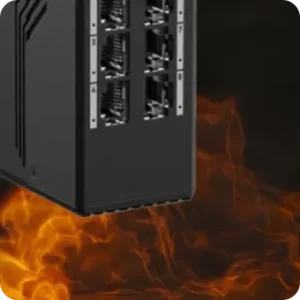
Extreme Hot Temp

Surge Protection

Vibration Resistance

Extreme Cold Temp
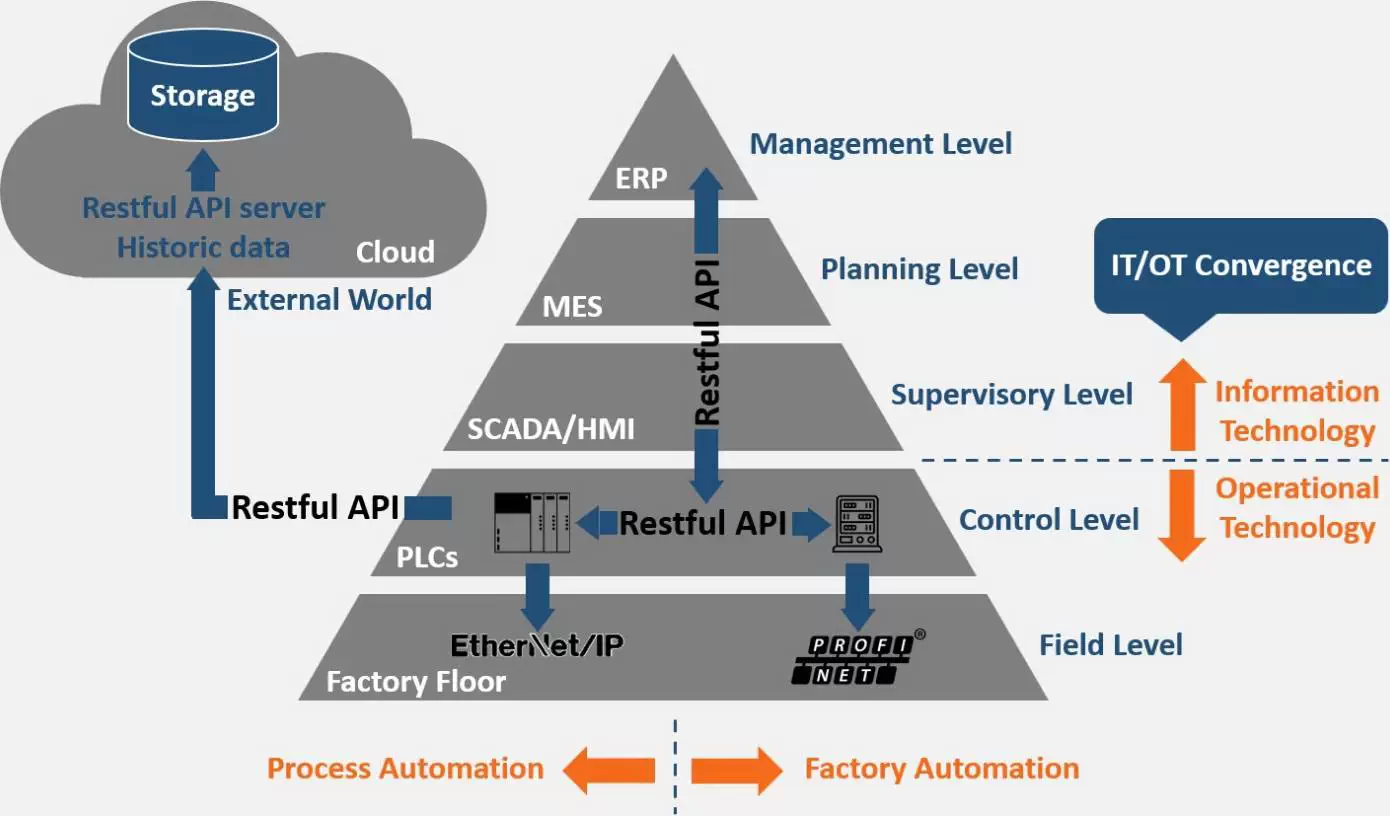
When IT Meets OT
From Silos to Synergy
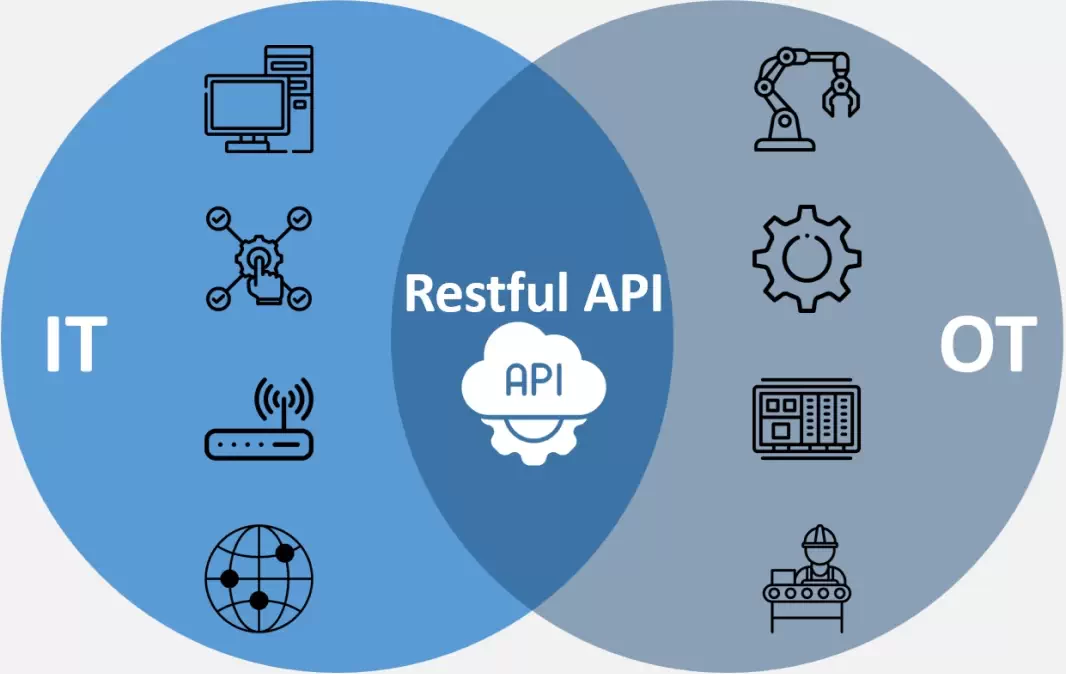
Information Technology (IT) and Operational Technology (OT) are two distinct domains that play pivotal roles in modern organizations. IT is dedicated to managing data-centric computing systems, encompassing software, hardware, and networks that process and store information. Conversely, OT focuses on the control and monitoring of physical processes and machinery. Historically, IT and OT have operated in silos, each with its own set of technologies, protocols, and priorities. However, the convergence of IT and OT is becoming increasingly crucial as organizations strive to enhance operational efficiency, improve decision-making, and respond more flexibly to market demands. By integrating IT and OT, businesses can achieve a unified approach to managing both digital and physical assets, leading to smarter, more efficient operations.
Leveraging Restful APIs
Bridging the Gap
Information Technology (IT) and Operational Technology (OT) are two distinct domains that play pivotal roles in modern organizations. IT is dedicated to managing data-centric computing systems, encompassing software, hardware, and networks that process and store information. Conversely, OT focuses on the control and monitoring of physical processes and machinery. Historically, IT and OT have operated in silos, each with its own set of technologies, protocols, and priorities. However, the convergence of IT and OT is becoming increasingly crucial as organizations strive to enhance operational efficiency, improve decision-making, and respond more flexibly to market demands. By integrating IT and OT, businesses can achieve a unified approach to managing both digital and physical assets, leading to smarter, more efficient operations.
IEC 62443-4-2 Compliance
Fortified Operations
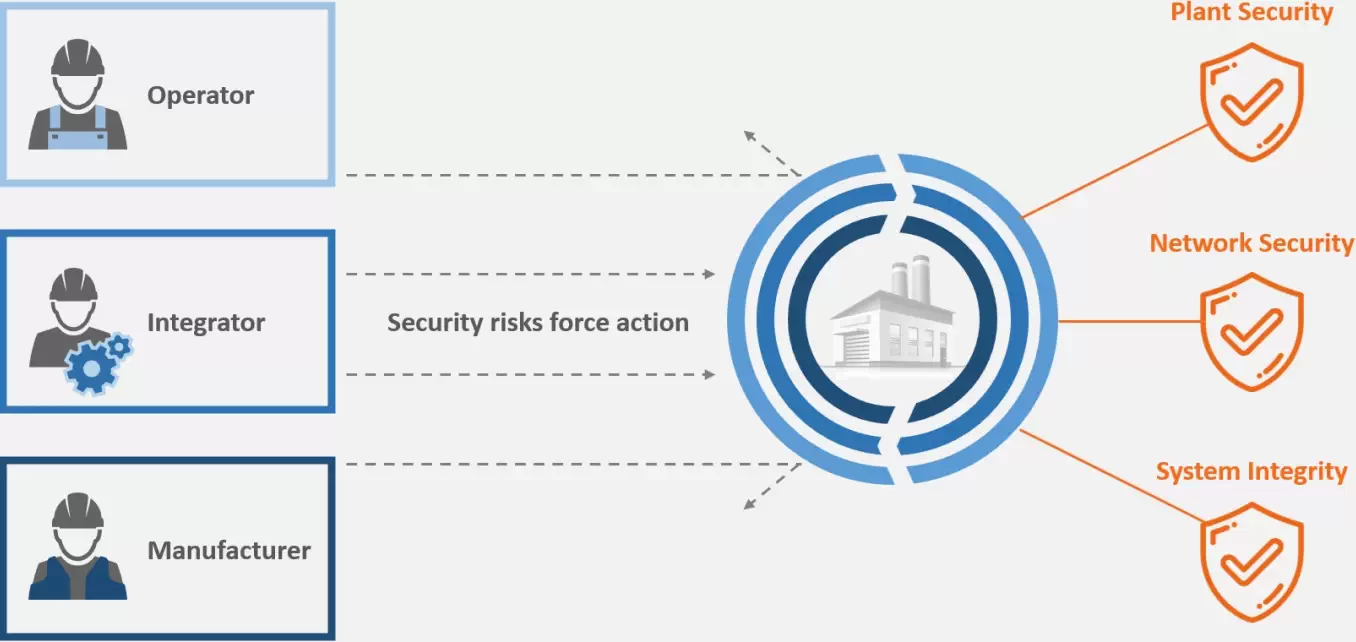
Security is a paramount concern in the integration of IT and OT systems. Emplus adheres to the IEC 62443-4-2 standard, which provides guidelines for ensuring the security of industrial automation and control systems. This standard covers various aspects of cybersecurity, including secure communication, access control, and system integrity. By implementing these robust security measures, Emplus ensures that its products are protected against cyber threats, safeguarding critical infrastructure and maintaining the reliability of operations. With Emplus, organizations can confidently embrace IT/OT convergence, knowing that their systems are secure and compliant with industry standards.
Time-Sensitive Networking
Time-Sensitive Networking (TSN) is a set of Ethernet standards defined by IEEE to enable deterministic communication over Ethernet networks, addressing the need for precise, real-time data transmission. This makes TSN ideal for industries like automotive, industrial automation, and professional audio-visual systems, where synchronized and predictable communication is critical. In control systems—such as those in autonomous vehicles, production lines, or live sound environments—strict timing requirements are essential, as any variation in data delivery, or jitter, can disrupt functionality and lead to unreliable control systems.
Our Patents, Your Progress
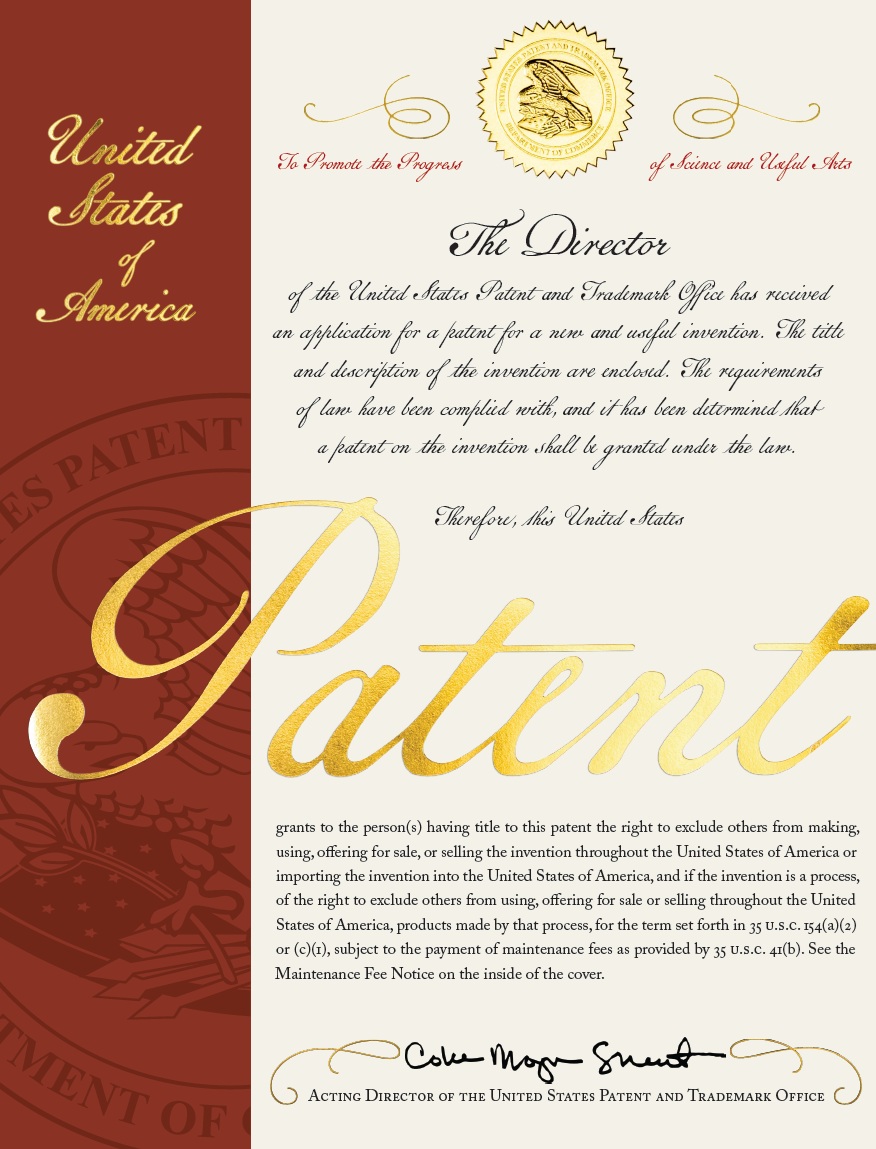
Emplus is committed to pioneering advancements in industrial networking and telecommunications, as demonstrated by our growing portfolio of patents. Each patent reflects our dedication to developing cutting-edge solutions that enhance connectivity, resilience, and efficiency across a range of industrial applications. From robust wireless technologies to innovative industrial-grade components, Emplus’ patented innovations enable our clients to achieve reliable, high-performance networking even in the most challenging environments. Our patent achievements underscore our role as a leader in technological advancement, setting new standards in industrial connectivity solutions.
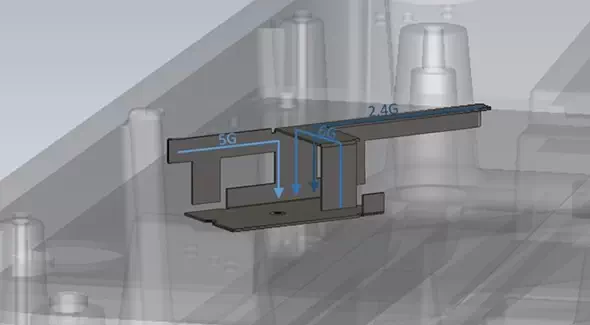
Tri-Band, Tri-Feed Antenna
Revolutionizing Wi-Fi 7 Antenna Design
As Wi-Fi systems evolve into the Wi-Fi 7 era, a new frequency range of 5.95 to 7.125 GHz has been introduced. This increase in frequency bands demands more antennas within limited product spaces, making antenna integration increasingly challenging. To address this, Emplus has developed a patented Tri-Band, Tri-Feed antenna. This innovative design reduces the number of antennas required for MIMO systems, optimizes space, and enhances RF performance for both transmission and reception. With a smaller footprint, this solution offers cost-efficiency while delivering superior performance for next-generation wireless applications.
Smart Dustproof Design
A User-Centric Innovation for Effortless Connectivity
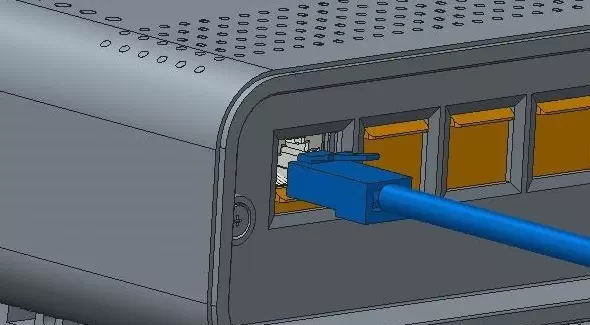
Emplus has redefined user convenience with its patented dustproof door design for network connectors. Traditional dustproof mechanisms often required two hands for plug insertion due to alignment issues, resulting in a cumbersome user experience. Emplus’ innovation introduces an extended inclined handle, enabling smooth, one-handed plug insertion. This unique design ensures that the dustproof door adapts effortlessly to the plug’s position, allowing users to connect with ease and precision. By reimagining this essential component, Emplus has set a new standard in ergonomic and user-centric mechanical design, enhancing reliability and simplicity in network connections.
Roaming+ for Superior User Experience
Enhanced Roaming for Seamless Connectivity
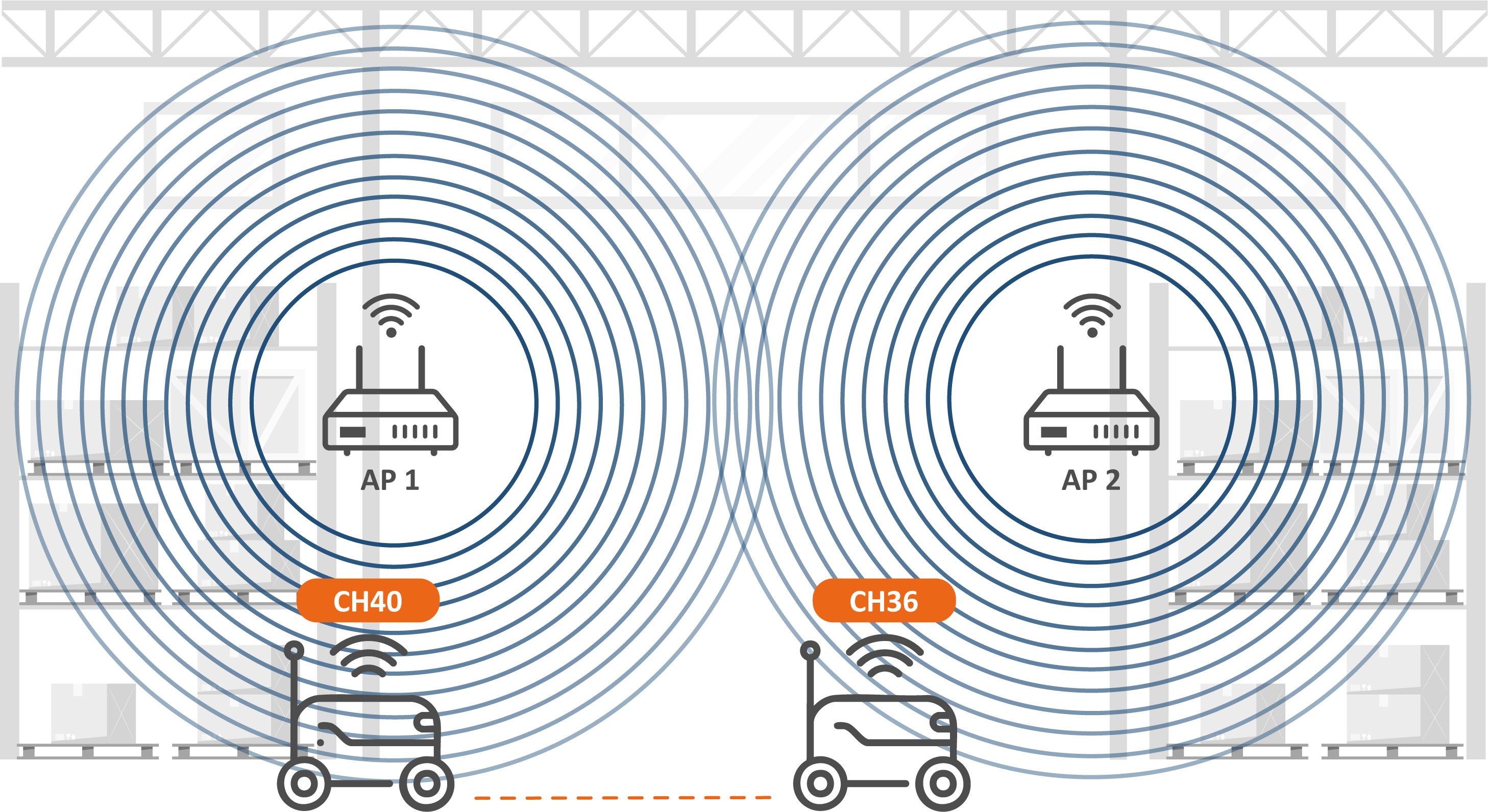
Emplus has upgraded traditional roaming functionality with its Roaming+ technology. While the standard 802.11k protocol allows devices to roam only within the same channel, our Roaming+ feature enables devices to roam across different channels. This improvement ensures faster, smoother transitions between access points, significantly enhancing the user’s connectivity experience. By minimizing network interruptions and optimizing signal quality, Roaming+ delivers a more reliable and seamless wireless experience, especially in environments where multiple access points are used.

Pat. No. I 823369

Pat. No. I 810916

Pat. No. I 860579

Pat. No. I 891320
Pat. No. US 12206159 B2